Gallae – Plant Galls
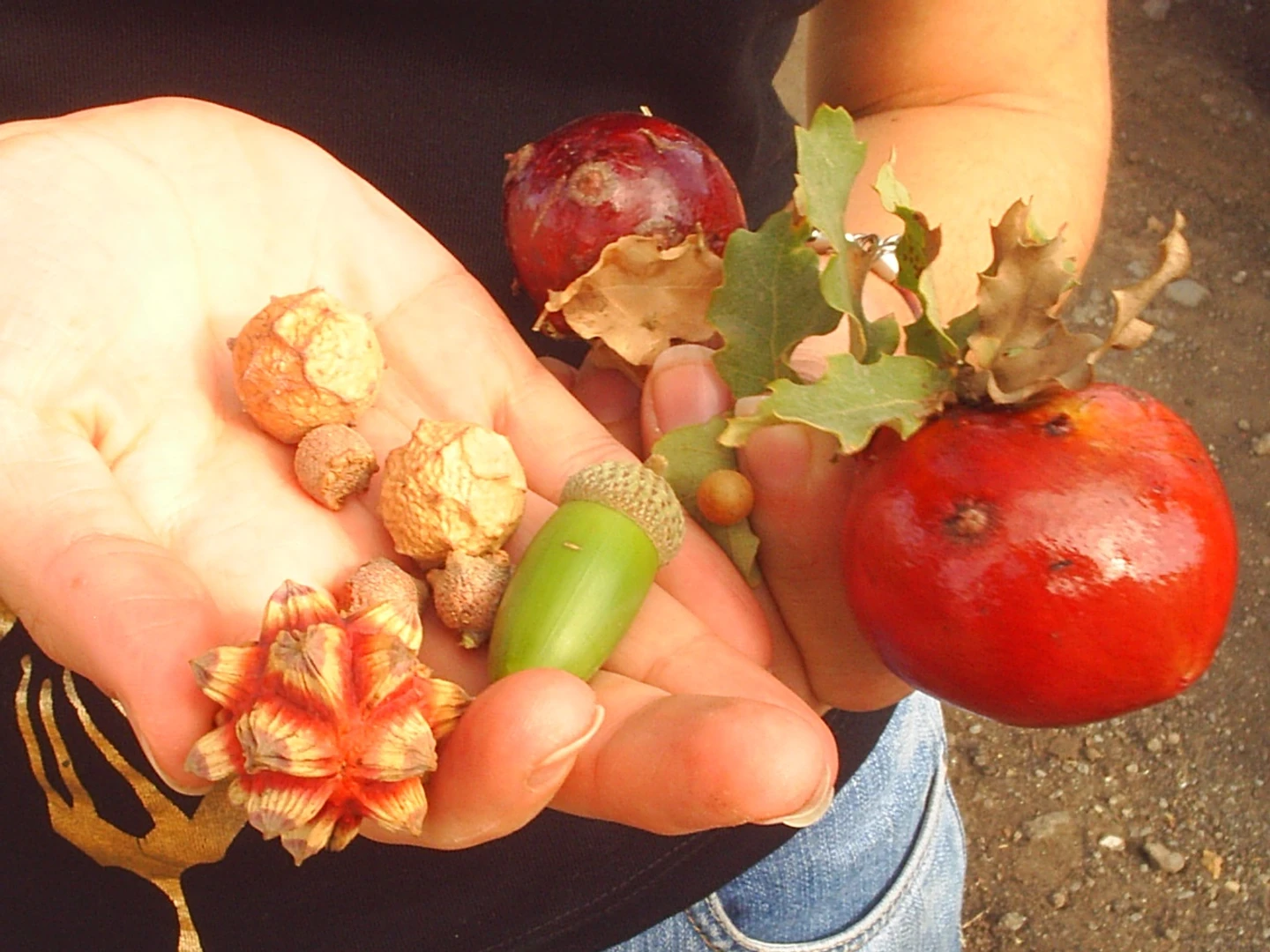
Gallae (Latin: Gallae) are defined as “pathological formations that occur in certain plants as a chemical response to damage caused by insects.” There is a clear relationship between the plant species and the insect species, because the shape of the gall varies depending on the insect involved. For this reason, it is possible to find very different types of galls on the same plant. One holiday weekend, on our way back from İzmir to Ankara, we decided to take a closer look at the extinct volcano near Kula. Along the way, we were amazed by the different gallae formations we saw on the oak trees by the roadside.
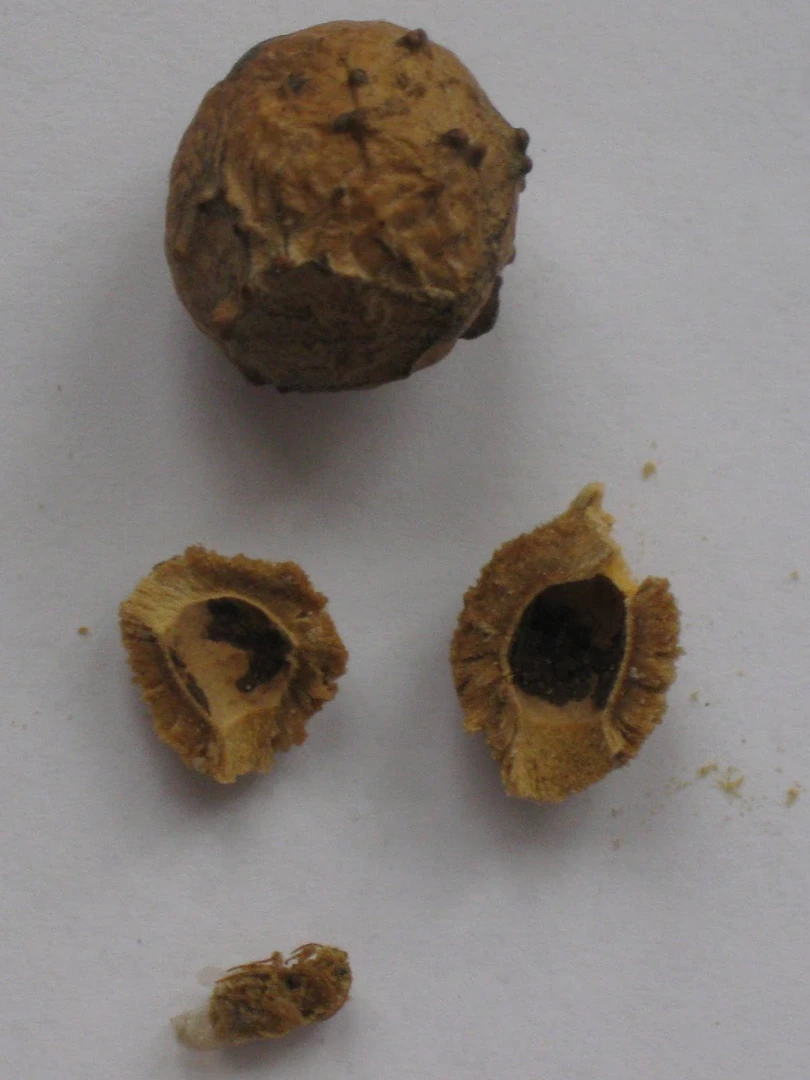
In pharmacognosy, the first gall that comes to mind is oak gall (Gallae Quercine). These form when the gall wasp Cynips gallae tinctoriae lays its larvae on Quercus infectoria. The galls are spherical, yellowish when dried, woody in texture, and rich in tannins and starch. At the center of the spherical structure, one can find the larvae of the insect—or, if they have already matured and left, an empty cavity remains.
I really enjoy BBC videos like these—they can be excellent teaching materials!
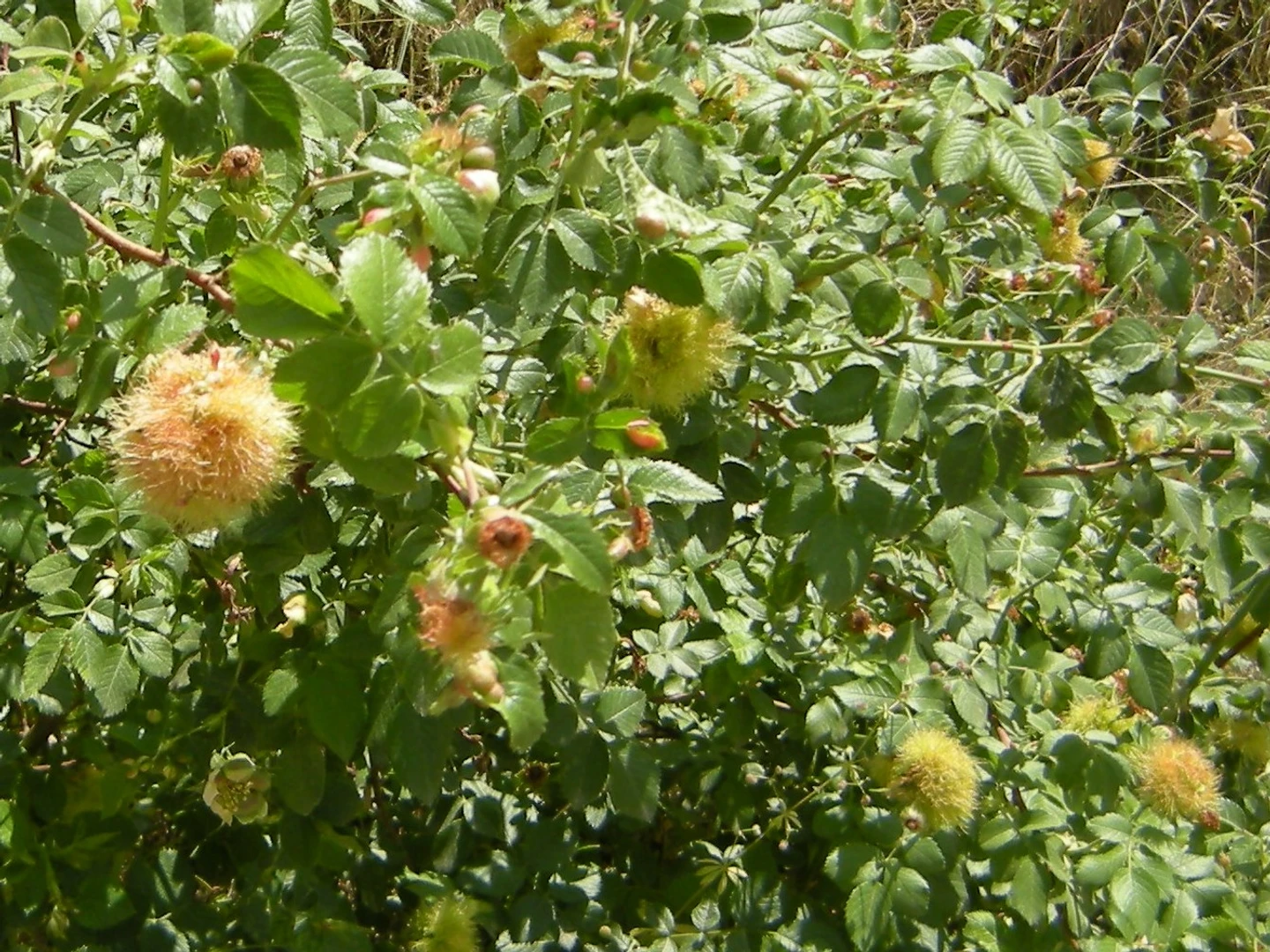
This blog post was first published on Tuesday, December 30, 2011, on Nilüfer Orhan’s blog page: https://kognozi.blogspot.com/ (in Turkish).